
ಫೆಬ್ರವರಿ 2025ರ ಅದಮ್ಯ ಚೇತನದ ಗೋಡೆ ಪತ್ರಿಕೆ
Feb 2025-Adamya Chetana Wall Magzine
ಕೋಲ್ಕತಾದಲ್ಲಿ ಕನ್ನಡತಿಯ ಪ್ರತಿಮೆ
A Kannadati's Statue in Kolkata
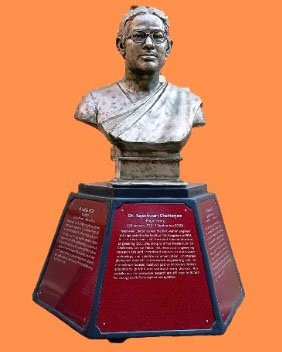
ಕನ್ನಡತಿಯೊಬ್ಬಳ ಪುತ್ಥಳಿ ಕನ್ನಡ ನಾಡಿನಲ್ಲಿ ಇಲ್ಲ: ಆದರೆ ದೂರದ ಕೋಲ್ಕತಾ ನಗರದಲ್ಲಿ ಇದೆ. ಗೊತ್ತೆ? 1922ರ ಜನವರಿ 24ರಂದು ನಂಜನಗೂಡಿನಲ್ಲಿ ಜನಿಸಿದ ರಾಜೇಶ್ವರಿ ಬೆಂಗಳೂರಿನಲ್ಲಿ ಆಗಿನ ಕಾಲದಲ್ಲೇ (1943) ಗಣಿತ ವಿಜ್ಞಾನದಲ್ಲಿ ಪ್ರಥಮ ಶ್ರೇಯಾಂಕದಲ್ಲಿ ಎಮ್ಎಸ್ಸಿ ಡಿಗ್ರಿ ಪಡೆದವರು ಸರ್ ಸಿ.ವಿ ರಾಮನ್ ಮಾರ್ಗದರ್ಶನದಲ್ಲಿ ಸಂಶೋಧನೆ ಮಾಡಲು ಬಯಸಿದರು.
ಆದರೆ ಹೆಣ್ಣೆಂಬ ಕಾರಣದಿಂದಲೋ ಅಥವಾ ಗಣಿತ ವಿದ್ಯಾರ್ಥಿನಿ ಎಂಬುದಕ್ಕೂ ಇವರಿಗೆ ಪ್ರದೇಶ ಸಿಗಲಿಲ್ಲ.ರಾಜೇಶ್ವರಿಗೆ ಅಮೆರಿಕದ ಮಿಷಿಗನ್ ವಿಶ್ವವಿದ್ಯಾಲಯದಲ್ಲಿ ಇಲೆಕ್ಟಿಕಲ್ ಎಂಜಿನಿಯರಿಂಗ್ ಅಧ್ಯಯನದ ಅವಕಾಶ ಲಭಿಸಿತು. ಭಾರತಕ್ಕೆ ಸ್ವಾತಂತ್ರ್ಯ ಸಿಗುವ ಒಂದು ತಿಂಗಳು ಮೊದಲು ಹಡಗನ್ನೇರಿ ಜಮ ರಿಕಕ್ಕೆ ಹೊರಟರು. ಅಲ್ಲಿಂದ ಡಾಕ್ಟರೇಟ್ ಡಿಗ್ರಿ ಪಡೆದು ಮರಳಿ ಬೆಂಗಳೂರಿನ ಭಾರತೀಯ ವಿಜ್ಞಾನ ಸಂಸ್ಥೆಯಲ್ಲಿ ಸಂಶೋಧಕಿಯಾಗಿ ಸೇರಿ ಅಲ್ಲೇ ಸಿಸಿರ್ ಚಟರ್ಜಿ ಎಂಬವರನ್ನು ವಿವಾಹವಾದರು ಭಾರತದ ಮೊದಲ ಮಹಿಳಾ ಎಂಜಿನಿಯರ್ ಎನಿಸಿದ ಅವರು ತಮ್ಮ ಸಂಶೋಧನೆಗಳಿಗೆ ಅನೇಕ ಪ್ರಶಸ್ತಿಗಳನ್ನು ಪಡೆದರು ಇಲೆಕ್ಷಿಕಲ್ ಎಂಜಿನಿಯ ರಿಂಗ್ ಪುಸ್ತಕಗಳನ್ನು ಬರೆದರು ಭಾರತದ ಖ್ಯಾತ ಮಹಿಳೆಯರನ್ನು ಕುರಿತು ‘ವಸುಧೈವ ಕುಟುಂಬಕಮ್’ ಹೆಸರಿನ ಗ್ರಂಥ ಬರೆದರು ಅವರ ಸಾಧನೆಯನ್ನು ಸ್ಮರಿಸಿ ಕೋಲ್ಕತಾದ ಬಿರ್ಲಾ ವಿವ್ಯಮಿಕ ಮತ್ತು ತಂತ್ರಜ್ಞಾನ ಸಂಗ್ರಹಾಲಯದಲ್ಲಿ ಈ ಪ್ರತಿಮೆಯನ್ನು ನಿಲ್ಲಿಸಲಾಗಿದೆ. ಅಲ್ಲಿ ಯಾಕೆ ಹೇಳಿ) ಏಕೆಂದರೆ, ಅವರು ಬಂಗಾಳಿ ಮೂಲದ ಚಟರ್ಜಿ ಎಂಬವರ ಕೈಹಿಡಿದವರು.
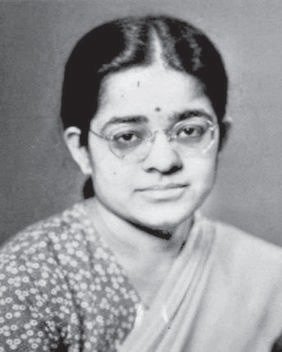
Did you know that there is a statue of a Kannadati (a woman from Karnataka) not in Karnataka, but in the distant city of Kolkata?Rajeshwari, who was born on January 24, 1922, in Nanjangud, earned her M.Sc. degree in Mathematics with first-class honors from Bengaluru in 1943—a remarkable achievement for that time. She aspired to pursue research under the guidance of Sir C.V. Raman. However, she was denied the opportunity, possibly because she was a woman or a mathematics student.
Rajeshwari then received an opportunity to study Electrical Engineering at the University of Michigan, USA. A month before India’s independence, she boarded a ship to America. After earning her doctorate there, she returned to India and joined the Indian Institute of Science (IISc), Bengaluru, as a researcher.
It was at IISc that she met Sisir Chatterjee, whom she later married. Rajeshwari became India’s first woman engineer and received numerous accolades for her research. She authored several books on Electrical Engineering and also wrote a book titled Vasudhaiva Kutumbakam, which celebrated the lives of prominent women of India.
To honor her achievements, a statue of Rajeshwari has been installed at the Birla Industrial and Technological Museum in Kolkata. The reason? She married Sisir Chatterjee, who was of Bengali origin.
ಕರ್ನಾಟಕದ ನಾಲ್ಕು 'ರಾಮ್ ಸಾರ್ ತಾಣ'ಗಳು
Global Recognition for Biodiverse Waterbodies
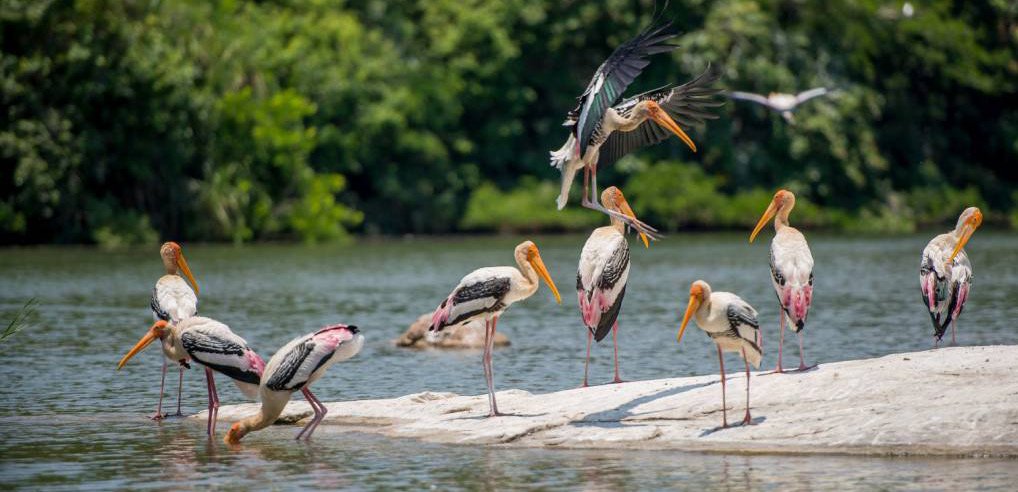
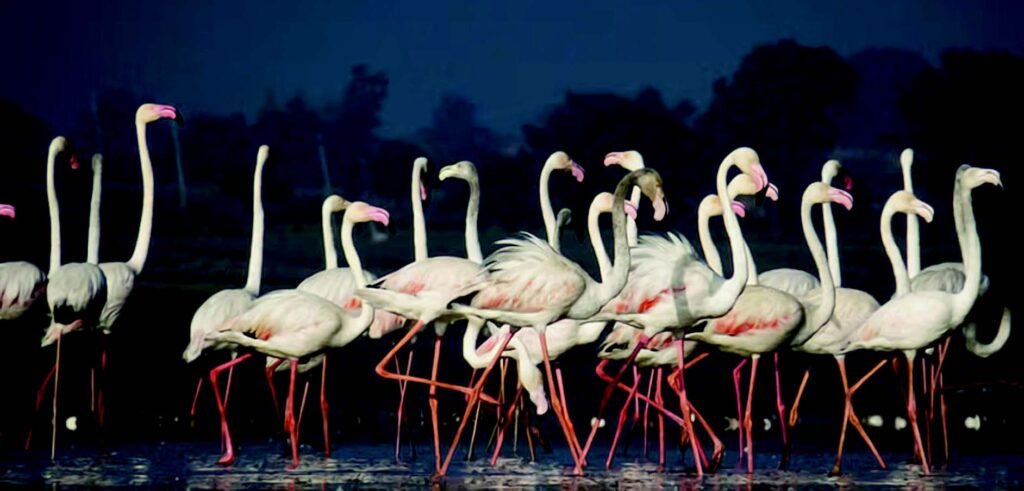
ಕಳೆದ ವರ್ಷ ಮಂಡ್ಯ ಸಮೀಪದ ಕಾವೇರಿ ನದಿಯಲ್ಲಿನ ‘ರಂಗನತಿಟ್ಟು ಪಕ್ಷಿಧಾಮ’ಕ್ಕೆ ಮಾತ್ರ ಅಂಥ ಮಾನ್ಯತೆ ಸಿಕ್ಕಿತ್ತು. 2024ರಲ್ಲಿ ಇನ್ನೂ ಮೂರು ಜಲಾಶಯಗಳಿಗೆ ಆ ಪ್ರಖ್ಯಾತಿ ದೊರಕಿದೆ. ಗದಗ ಜಿಲ್ಲೆಯ ‘ಮಾಗಡಿ ಕೆರೆ’, ಮೈಸೂರು ಜಿಲ್ಲೆಯ ‘ಅಂಕಸಮುದ್ರ’ ಕೆರೆ ಮತ್ತು ಉತ್ತರ ಕನ್ನಡ ಜಿಲ್ಲೆಯ ಅಘನಾಶಿನಿ ನದಿ ಅರಬ್ಬಿ ಸಮುದ್ರವನ್ನು ಸೇರುವ ‘ಅಘನಾಶಿನಿ ಅಳಿವೆ’ಗೆ ಈಗ ಅಂತರರಾಷ್ಟ್ರೀಯ ಖ್ಯಾತಿ ಬಂದಿದೆ.
ಜಲಚರಗಳಿಗೆ, ಜಲಪಕ್ಷಿಗಳಿಗೆ ಅತ್ಯುತ್ತಮ ಆಶ್ರಯ ಕೊಟ್ಟ ಜಲಾಶಯ ಯಾವ ದೇಶದಲ್ಲೇ ಇರಲಿ. ಅದಕ್ಕೆ ‘ರಾಮಸಾರ್ ತಾಣ’ ಎಂಬ ಮಾನ್ಯತೆಯನ್ನು ಕೊಡಬೇಕು ಎಂದು 1972ರಲ್ಲಿ ಇರಾನಿನ ರಾಮ್ಸಾರ್ ಎಂಬಲ್ಲಿ ನಡೆದ ಜಾಗತಿಕ ಸಭೆಯಲ್ಲಿ ನಿರ್ಧರಿಸಲಾಗಿತ್ತು. ಆ ಸಭೆ ನಡೆದ ಫೆಬ್ರುವರಿ 2ನ್ನು ಪ್ರತಿವರ್ಷ ‘ಜಾಗತಿಕ ಜಲಧಾಮ, ದಿನ’ ಎಂದು ಆಚರಿಸಬೇಕು ಎಂತಲೂ ನಿರ್ಧರಿಸಲಾಗಿತ್ತು. ಪುಟ್ಟ ದೇಶ ಬ್ರಿಟನ್ನಿನಲ್ಲಿ 175 ‘ರಾಮ್ಸಾರ್ ತಾಣ’ಗಳು ಇವೆ. ಅದಕ್ಕಿಂತ 13 ಪಟ್ಟು ದೊಡ್ಡದಾದ ಭಾರತದಲ್ಲಿ ಕೇವಲ 85 ತಾಣಗಳನ್ನು ಗುರುತಿಸಿ ಮಾನ್ಯತೆ ಪಡೆಯಲಾಗಿದೆ. ಉತ್ತಮ ಜಲತಾಣಗಳು ಇನ್ನೂ ದೇಕಷ್ಟಿವೆಮೆ ಅಂಥವನ್ನು ಗುರುತಿಸಿ ವರದಿ ಮಾಡುವ ಕೆಲಸ ಚುರುಕಾಗಬೇಕಿದೆ.
ಜಾಸ್ತಿ ಬಗೆಯ ಜೀವಿವೈವಿಧ್ಯ ಇರುವ ನೀರಿನ ತಾಣಕ್ಕೆ ಜಾಗತಿಕ ಪ್ರಶಸ್ತಿಯನ್ನು ಘೋಷಿಸುವ ಪರಿಪಾಠ ಇದೆ ಗೊತ್ತೆ? ಅಂಥ ಜಲಾಶಯಗಳನ್ನು ಗುರುತಿಸಿ ‘ರಾಮ್ಸಾರ್ ತಾಣ’ ಎಂದು ವಿಶ್ವಸಂಸ್ಥೆ ಘೋಷಣೆ ಮಾಡುತ್ತದೆ. ಅಂಥ ಕೆರೆ ಅಥವಾ ಜಲಾಶಯದಲ್ಲಿ ನಾನಾ ಬಗೆಯ ಮೀನು, ಕಪ್ಪೆ, ಏಡಿ, ಆಮೆ, ಜಿಗಣೆ,
ನೀರೊಳ್ಳೆ ಹಾವು ಇತ್ಯಾದಿಗಳಿರಬೇಕು. ಸುತ್ತಲೂ ನಾನಾ ಜಾತಿಯ ಪಕ್ಷಿಗಳಿರಬೇಕು. ಅಥವಾ ದೂರದಿಂದ ಚಳಿಗಾಲದ ವಲಸೆಗೆ ಪಕ್ಷಿಗಳು ಬರುತ್ತಿರಬೇಕು. ಅಲ್ಲಿ ನೀರು ಎಂದೂ ಬತ್ತಬಾರದು. ಜೀವಿವೈವಿಧ್ಯಕ್ಕೆ ಸದಾ ರಕ್ಷಣೆ ದೊರೆಯುತ್ತಿರಬೇಕು. ಪಕ್ಷಿ ಮತ್ತು ಮೀನುಗಳ ಬೇಟೆಯಾಡಲು ಅನುಮತಿ ಇರಬಾರದು
Did you know that there is a global tradition of recognizing waterbodies with rich biodiversity? Such waterbodies are identified and declared as Ramsar Sites by the United Nations. To qualify as a Ramsar Site, a lake or reservoir must support a variety of aquatic life forms such as fish, frogs, crabs, turtles, and water snakes. It must also serve as a habitat for diverse bird species or attract migratory birds during the winter season. Additionally, the waterbody must never dry up and should always ensure protection for its biodiversity.
In 2023, the Ranganathittu Bird Sanctuary on the Cauvery River near Mandya was honored with this prestigious designation. This year, three more waterbodies in Karnataka have achieved international recognition:
Magadi Lake in Gadag district
Ankasamudra Lake in Mysuru district
The Aghanashini estuary, where the Aghanashini River meets the Arabian Sea in Uttara Kannada district
The concept of Ramsar Sites was established during a global conference held in 1972 in Ramsar, Iran. It was decided that waterbodies providing excellent shelter to aquatic life and waterbirds, regardless of the country they are in, should be recognized with this title. Furthermore, February 2, the date of the Ramsar conference, is observed annually as World Wetlands Day.
Interestingly, the small country of Britain has 175 Ramsar Sites, while India, which is 13 times larger, has identified only 85 sites to date. There is a need to identify and report more such waterbodies to promote their conservation and enhance biodiversity protection.
ಫೆಬ್ರುವರಿಯಲ್ಲಿ ಜನಿಸಿದ ಖ್ಯಾತ ವಿಜ್ಞಾನವೀರರು:
Famous Scientists Born in February
ಫೆಬ್ರುವರಿ ಎಂದಾಕ್ಷಣ ನಮಗೆ ಸರ್ ಸಿ.ವಿ. ರಾಮನ್ ಹೆಸರು ನೆನಪಿಗೆ ಬರುತ್ತದೆ. ಯಾಕೆ ಹೇಳಿ? ಈ ತಿಂಗಳ 28ರಂದು ಭಾರತದ ‘ರಾಷ್ಟ್ರೀಯ ವಿಜ್ಞಾನ ದಿನ’ವನ್ನು ಆಚರಿಸುತ್ತೇವೆ. ಅಂದು ಸರ್ ರಾಮನ್ ಅವರ ಹುಟ್ಟುಹಬ್ಬ ಏನಲ್ಲ (ಅವರು ಜನಿಸಿದ್ದು 7 ನವಂಬರ್ 1888). ಆದರೂ ಆ ದಿನವನ್ನು ನಾವು ನೆನಪಿಸಿಕೊಳ್ಳುವುದು ಏಕೆಂದರೆ ಸರ್ ರಾಮನ್ ಅವರಿಗೆ ನೊಬೆಲ್ ಪ್ರಶಸ್ತಿ ಸಿಗಲು ಕಾರಣವಾದ ಸಂಶೋಧನ ಪ್ರಬಂಧವನ್ನು ಅವರು 1928ರ ಆ ದಿನ ಪ್ರಕಟಿಸಿದರು. ‘ಆಕಾಶ ಏಕೆ ನೀಲಿ?’ ‘ಸೂರ್ಯ ಉದಯಿಸುವಾಗ ಮತ್ತು ಮುಳುಗುವಾಗ ಆಕಾಶ ಕೆಂಪಾಗುತ್ತದೆ ಏಕೆ’ ಮುಂತಾದ ಪ್ರಶ್ನೆಗಳಿಗೆ ಅವರು ಕಾರಣಗಳನ್ನು ನೀಡಿದ್ದರು. (ಏಕೆ ಎಂಬುದನ್ನು ನೀವು ಶಿಕ್ಷಕರಿಂದ ಕೇಳಿ ತಿಳಿದುಕೊಳ್ಳಿ). ನಮಗೆ ವಿಜ್ಞಾನ ಬೇಕು. ಇತ್ತೀಚೆಗಷ್ಟೇ ನಮ್ಮ ಇಸ್ರೋ ಸಂಸ್ಥೆ ಎರಡು ಪ್ರತ್ಯೇಕ ಉಪಗ್ರಹಗಳನ್ನು ಬಾಹ್ಯಾಕಾಶಕ್ಕೆ ರವಾನಿಸಿ ಅವೆರಡೂ 470 ಕಿ.ಮೀ. ಎತ್ತರದಲ್ಲಿ ಪರಸ್ಪರ ಜೋಡಣೆಯಾಗುವಂತೆ ಮಾಡಿದೆ. ಇಂಥ ಸಾಧನೆಯನ್ನು ಮಾಡಿದ ಜಗತ್ತಿನ ಮೂರೇ ಮೂರು ರಾಷ್ಟ್ರಗಳ ಸಾಲಿಗೆ ಭಾರತವೂ ಈಗ ಸೇರಿದೆ. ಅದು ನಾವೆಲ್ಲ ಹೆಮ್ಮೆ ಪಡುವ ಬಾಹ್ಯಾಕಾಶ ವಿಚಾರ. ಹಾಗೆಯೇ ನೆಲದ ಮೇಲೂ ಬಾಲ್ಯದಿಂದಲೇ ವೈಜ್ಞಾನಿಕ ಪ್ರವೃತ್ತಿಯನ್ನು ಬೆಳೆಸಿಕೊಂಡರೆ ನಮ್ಮ ದೇಶವೂ ಅನೇಕ ನೊಬೆಲ್ ಪ್ರಶಸ್ತಿ ಪಡೆಯಲು ಸಾಧ್ಯವಿದೆ ಅಲ್ಲವೆ? ಆ ಮನೋವೃತ್ತಿ ಬೆಳೆಯಲೆಂದೇ ನಾವು ‘ರಾಷ್ಟ್ರೀಯ ವಿಜ್ಞಾನ ದಿನ’ವನ್ನು ಆಚರಿಸುತ್ತೇವೆ.
ಫೆಬ್ರುವರಿ 28 ಅಂದರೆ ಇನ್ನೊಬ್ಬ ವಿಶಿಷ್ಟ ನೊಬೆಲ್ ವಿಜ್ಞಾನಿಯ ಜನ್ಮದಿನ. ಅವರ ಹೆಸರು: ಲೈನಸ್ ಪಾಲಿಂಗ್. ರಸಾಯನ ವಿಜ್ಞಾನದಲ್ಲಿ ನೊಬೆಲ್ ಪಡೆದ ಪಾಲಿಂಗ್ ಅವರಿಗೆ ನೊಬೆಲ್ ಶಾಂತಿ ಪುರಸ್ಕಾರವೂ ಲಭಿಸಿದೆ. ಎರಡು ಬಾರಿ ತಾನೊಬ್ಬನೇ ನೊಬೆಲ್ ಪಡೆದ ಅಪರೂಪದ ವ್ಯಕ್ತಿ ಅವರು. ಇದುವರೆಗೆ ಇನ್ನೂ ಐದು ಮಂದಿ ಡಬಲ್ ನೊಬೆಲ್ ಪ್ರಶಸ್ತಿ ಪಡೆದಿದ್ದಾದರೂ ಆ ಎಲ್ಲರೂ ಇನ್ನೊಬ್ಬರೊಂದಿಗೆ ಆ ಪ್ರಶಸ್ತಿಯನ್ನು ಹಂಚಿಕೊಂಡಿದ್ದರು. ಅಂದಹಾಗೆ, ಎರಡು ನೊಬೆಲ್ ಪ್ರಶಸ್ತಿ ಪಡೆದ ಏಕೈಕ ಮಹಿಳೆಯ ಹೆಸರು ನಿಮಗೆ ಗೊತ್ತಿದೆಯೆ?
When we think of February, the name Sir C.V. Raman immediately comes to mind. Do you know why? On February 28, India celebrates National Science Day. Interestingly, this date is not Sir Raman’s birthday (he was born on November 7, 1888). Instead, it marks the day in 1928 when Professor Raman published his groundbreaking research paper, which earned him the Nobel Prize. His work provided answers to questions like, Why is the sky blue? and Why does the sky turn red during sunrise and sunset? (You can ask your teachers to explain these phenomena in detail!).
Isn’t science essential for us? Recently, our very own ISRO successfully launched two satellites into space and ensured they docked together at an altitude of 470 km. This feat places India among just three countries in the world to achieve such a milestone. It’s a matter of great pride for all of us!
If we cultivate a scientific temperament from childhood, India too can win many more Nobel Prizes in the future. It is to promote such a mindset that we celebrate National Science Day.
February 28 is also the birthday of another extraordinary Nobel Prize-winning scientist, Linus Pauling. Pauling received the Nobel Prize in Chemistry and later the Nobel Peace Prize. He is the only person in history to win two unshared Nobel Prizes, making him a truly exceptional figure. While five other individuals have also won two Nobel Prizes, they shared one or both of them with others.
By the way, do you know the name of the only woman to have won two Nobel Prizes?
ಒರಟು ನೆಲದಲ್ಲಿ ಸುಂದರ ವಿಷಸಸ್ಯ
A Beautiful Poisonous Plant on Harsh Terrain
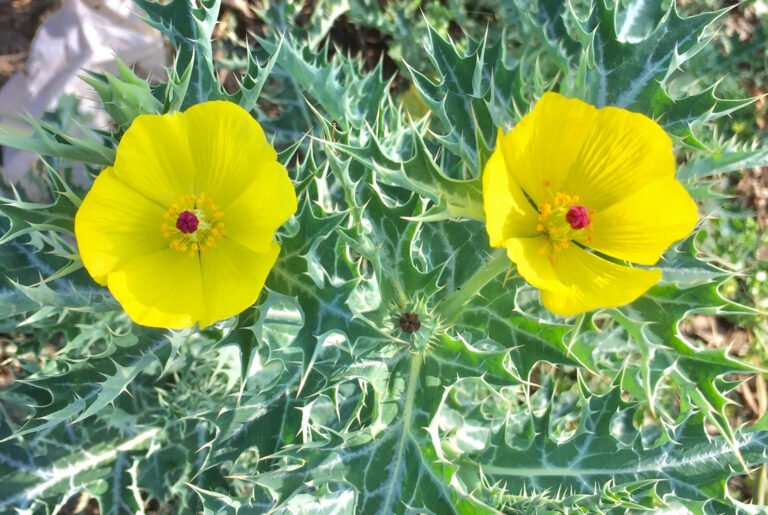
ಈ ಬೂದು-ನೀಲಿ ಬಣ್ಣದ ಮುಳ್ಳುಸಸ್ಯವನ್ನು ನೀವು ಅನೇಕ ಕಡೆ ನೋಡಿರಬಹುದು. ಹೆಸರು ಕಾಡುಗಸಗಸೆ (ಅರ್ಜಿಮೋನಾ), ಹೆಚ್ಚೆಂದರೆ ಒಂದೆರಡು ಗೇಣುದ್ದ ಬೆಳೆದು ಈ ದಿನಗಳಲ್ಲಿ ಮುದ್ದಾದ ಹಳದಿ ಹೂವನ್ನು ಬಿಡುತ್ತದೆ. ಎಂಥ ಬರಡು ಪ್ರದೇಶದಲ್ಲಿ, ಕಲ್ಲುಬಂಡೆಗಳ ಮಧ್ಯೆ. ಅಷ್ಟೇಕೆ ಡಾಂಬರು ರಸ್ತೆಯ ಮೇಲಿನ ಸೀಳಿನಲ್ಲೂ ಇದು ಬೆಳೆಯಬಲ್ಲದು. ಆದರೆ ಹುಷಾರಾಗಿರಿ, ಸಾಸಿವೆ ಕಾಳಿನಂಥ ಇದರ ಬೀಜಗಳು ವಿಷಕಾರಿ! ಹೊಟ್ಟೆಗೆ ಹೋದರೆ ಉಸಿರು ಕಟ್ಟಿದಂತಾಗಿ, ಬಳಲಿ, ಕೈಕಾಲು ಊದಿಕೊಳ್ಳುತ್ತವೆ. ಇದನ್ನು ಸಾಸಿವೆಯೊಂದಿಗೆ ಕಲಬೆರಕೆ ಮಾಡುವ ಕೇಡಿಗಳಿದ್ದಾರೆ. ಉತ್ತರದ ರಾಜ್ಯಗಳಲ್ಲಿ ಅಡುಗೆಗೆ ಸಾಸಿವೆ ಎಣ್ಣೆ ಬಳಸುವವರು ತೀವ್ರ ಕಾಯಿಲೆ ಬಿದ್ದವರಿದ್ದಾರೆ. ಅಲ್ಲಿ ಹೋಳಿ ಹಬ್ಬದ ದಿನ ಈ ಗಿಡದ ಹೂವನ್ನು (ಬೀಜ ಉತ್ಪಾದನೆಗೆ ಮೊದಲೇ) ಬೆಂಕಿಗೆ ಎಸೆಯುವ ಸಂಪ್ರದಾಯ ಇದೆ. ಅತ್ಯಲ್ಪ ಪ್ರಮಾಣದಲ್ಲಿ ಇದರ ರಸವನ್ನು ಔಷಧವಾಗಿಯೂ ಬಳಸುತ್ತಾರೆ. “ಅತಿಯಾದರೆ ಔಷಧವೂ ವಿಷ’ ಎಂಬ ಮಾತಿಗೆ ಅತ್ಯುತ್ತಮ ಉದಾಹರಣೆ. ಆಗಬಲ್ಲ ಸಸ್ಯ ಇದು.
You may have noticed this bluish-purple thorny plant in many places. It is called Kaadu Gasagase (Argemone). Typically growing up to one or two feet tall, it blooms with charming yellow flowers during this season. What’s remarkable is that it thrives in the harshest environment’s barren lands, rocky areas, and even cracks on asphalt roads.
But beware! Its seeds, which resemble mustard seeds, are highly poisonous. If ingested, they can cause breathlessness, swelling, and severe illness. In some cases, unscrupulous individuals have mixed these seeds with mustard seeds. In northern states, where mustard oil is a staple in cooking, such adulteration has led to serious health issues.
Interestingly, there is a tradition of throwing this plant’s flowers (before the seeds develop) into the fire during the Holi festival in some regions. In small, controlled doses, the seed extract is also used for medicinal purposes. This plant serves as a perfect example of the saying, Excess of anything can turn even medicine into poison.
ಸೀಮೆಸುಣ್ಣದ ಕಲೆಯ ನೋಡಿರಣ್ಣ!
The Art of Limestone - A Must-See!
ಸೀಮೆ ಸುಣ್ಣಕ್ಕೆ ಇಂಗ್ಲಿಷ್ ನಲ್ಲಿ ‘ಚಾಕ್ ಪೀಸ್’ ಎನ್ನುತ್ತಾರೆ. ಉತ್ತರ ಕರ್ನಾಟಕ ಮತ್ತು ಮಹಾರಾಷ್ಟ್ರದಲ್ಲಿ ಅದಕ್ಕೆ ‘ಖಡು ಎನ್ನುತ್ತಾರೆ. ಅದನ್ನು ಹೇಗೆ ತಯಾರಿಸುತ್ತಾರೆ ಗೊತ್ತೆ? ಸುಣ್ಣದ ಕಲ್ಲು ಅಥವಾ ಕಪ್ಪೆಚಿಪ್ಪನ್ನು ನುಣ್ಣಗೆ ಅರೆದು, ಮರಳು ಇಲ್ಲದಂತೆ ಸೋಸಿ. ನೀರನ್ನು ಸೇರಿಸಿ, ಅಚ್ಚಿನ ಕುಳಿಗಳಲ್ಲಿ ತುಂಬಿ ಒಣಗಿಸುತ್ತಾರೆ. ಪೇಟೆಯಲ್ಲಿ ಸಿಗುವ ಪ್ಲಾಸ್ಟರ್ ಆಫ್ ಪ್ಯಾರಿಸ್ (ಪಿಓಪಿ) ಪುಡಿಯನ್ನು ನೀರಲ್ಲಿ ನೆನೆಸಿ, ಕಾಗದದ ಸುರುಳಿಗೆ ತುಂಬ ಚಾಕ್ ಪೀಸ್ ತಯಾರಿಸಬಹುದು.
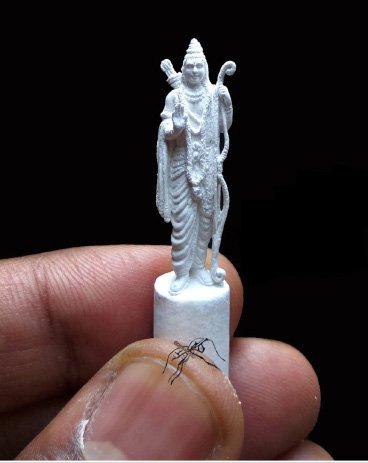
ಚಾಕ್ಪೀಸ್ನಿಂದ ಕರಿ ಹಲಗೆಯ ಮೇಲೆ ನೀವು ಸುಂದರ ಅಕ್ಷರಗಳನ್ನು, ಚಂದದ ಚಿತ್ರವನ್ನು ಬರೆಯಬಹುದು. ಆದರೆ ಈ ಪುಟ್ಟ ಖಡುವನ್ನೇ ಶಿಲ್ಪವನ್ನಾಗಿ ಪರಿವರ್ತಿಸಬಹುದು. ಸೂಜಿ/ಬೇಡ್ ಬಳಸಿ ಚಾಕ್ಪೀಸನ್ನೇ ಸುಂದರ ಮೂರ್ತಿಯನ್ನಾಗಿ ಮಾಡಬಲ್ಲ ಕಲಾವಿದರೂ ಇರುತ್ತಾರೆ. ಬೆಂಗಳೂರಿನ ಸಚಿನ್ ಸಂಘ ಎಂಬವರು ಕೆತ್ತಿದ ಈ ಶಿಲ್ಪವನ್ನು ನೋಡಿ. ಅಪಾರ ತಾಳ್ಮೆ ಮತ್ತು ಕಲಾ ಕೌಶಲ ಇದ್ದರೆ ನೀವೂ ಇದರಲ್ಲಿ ಪಳಗಬಹುದು.
In English, Seeme Sunnu is called chalk piece. In North Karnataka and Maharashtra, it is referred to as Khadu. Do you know how its made? Limestone or oyster shells are finely ground, sieved to remove sand, and mixed with water. This mixture is poured into molds and dried to create chalk sticks.
You can even make your own chalk pieces using plaster of Paris (POP) powder. Just add a little water, fill the mixture into paper rolls, and let it set.
With chalk, you can write beautiful letters or draw captivating pictures. However, some artists take it a step further, they use tools like needles or blades to carve stunning sculptures out of chalk. One such artist from Bengaluru is Sachin Sanghe. With immense patience and artistic skill, even you could create something remarkable!
ಅಡುಗೆ ಸೋಡಾದಿಂದ ಕರಿನಾಗರದವರೆಗೆ
From Baking Soda to Black Snake Fireworks
ಉಪ್ಪಿನ ಹಾಗೇ ನಮ್ಮ ಅಡುಗೆಮನೆಗಳಲ್ಲಿ ಬಳಕೆಯಾಗುವ ಇನ್ನೊಂದು ಕೆಮಿಕಲ್ ಗೊತ್ತೆ? ಅದರ ಹೆಸರು ‘ಅಡುಗೆ ಸೋಡಾ’. ಅದಕ್ಕೆ ‘ಸೋಡಿಯಂ ಬೈಕಾರ್ಬೊನೇಟ್’ ಎನ್ನುತ್ತಾರೆ. ಉಪ್ಪಿಗಿಂತ ನುಣ್ಣಗೆ ಇರುತ್ತದೆ. ಆದರೆ ಉಪ್ಪಿನಂಥ ರುಚಿ ಅದಕ್ಕಿಲ್ಲ. ಇದನ್ನು ಗಣಿಗಾರಿಕೆ ಮಾಡಿ ತರಬಹುದು; ಕಾರ್ಖಾನೆಯಲ್ಲೂ ತಯಾರಿಸಬಹುದು. ಅಡುಗೆಯಲ್ಲಿ ಬಳಸಿದಾಗ ಇದರಿಂದ ಇ ಡೈಆಕ್ಸೆಡ್ ಅನಿಲ ಹೊರಬರುತ್ತದೆ. ಗೋಧಿ, ಮೈದಾ ಹಿಟ್ಟಿಗೆ ಇದನ್ನು ಸೇರಿಸಿ ಬೇಯಿಸಿದಾಗ ಈ ಅನಿಲ ಹೊರಬರುವುದರಿಂದ ಉಬ್ಬಿದ ಬ್ರೆಡ್ ತಯಾರಾಗುತ್ತದೆ.
ಸೋಡಾ ಬಳಸಿದ ಆಹಾರವನ್ನು ಪದೇ ಪದೇ ತಿಂದರೆ ಹೊಟ್ಟೆಗೆ ಜಾಸ್ತಿ ಸೋಡಿಯಂ ಲವಣ ಹೋಗುತ್ತದೆ. ಅದರ ಪರಿಣಾಮವನ್ನು ಕಡಿಮೆ ಮಾಡಲೆಂದು ಹೊಟ್ಟೆಯೇ ಇತರ ಅಂಗಾಂಗಗಳಿಂದ ಜಾಸ್ತಿ ನೀರನ್ನು ಎಳೆದುಕೊಳ್ಳುತ್ತದೆ.ಇದರಿಂದ ಡಯಾರಿಯಾ (ಅತಿಸಾರ) ಉಂಟಾಗುತ್ತದೆ.
ಹೊಟ್ಟೆ ಕೆಟ್ಟಂತಾಗಿ ಶೌಚಾಲಯಕ್ಕೆ ಓಡಬೇಕಾಗುತ್ತದೆ.
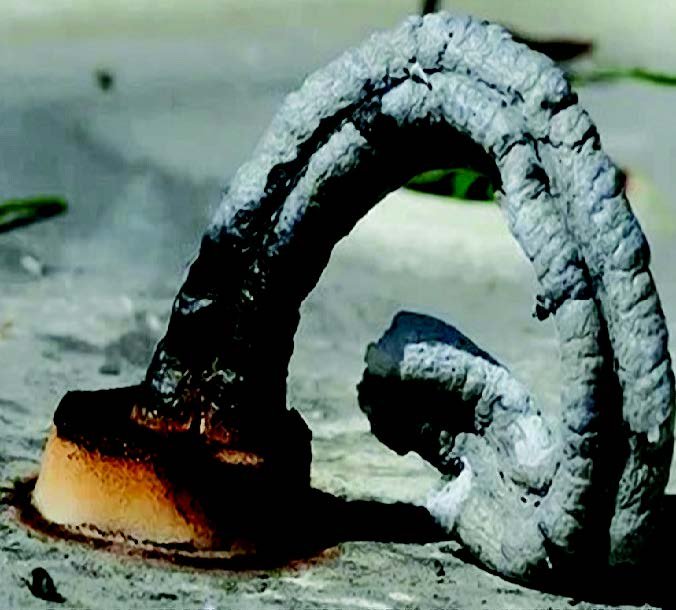
ನೂರಾರು ಬಗೆಯಲ್ಲಿ ಅಡುಗೆ ಸೋಡಾ ಬಳಕೆಯಲ್ಲಿವೆ. ಬೇಕರಿ ಪದಾರ್ಥಗಳಲ್ಲಂತೂ ಆಯಿತು; ಫ್ರಿಜ್ನ ದುರ್ವಾಸನೆ ನಿವಾರಣೆಗೆ, ಹುಳಿತೇಗಿನ ಶಮನಕ್ಕೆ, ಪಾತ್ರೆ ತೊಳೆಯಲಿಕ್ಕೆ, ಕೃಷಿಯಲ್ಲಿ ಶಿಲೀಂಧ್ರ ನಾಶಕ್ಕೆ, ಜಿಡ್ಡು ಮತ್ತು ತುಕ್ಕು ಕಲೆಗಳನ್ನು ಉಜ್ಜಿ ತೆಗೆಯಲಿಕ್ಕೆ, ಅಷ್ಟೇಕೆ, ಹಲ್ಲುಜ್ಜುವ ಪೇಸ್ಟ್ ಆಗಿ, ಬೆಂಕಿ ನಂದಿಸುವೆ ದ್ರವ್ಯವಾಗಿಯೂ ಇದು ಬಳಕೆಯಾಗುತ್ತದೆ. ‘ಕರೀ ನಾಗರ’ ಎಂಬ ಪಟಾಕಿಯಲ್ಲಿ ಇದೇ ಮುಖ್ಯವಸ್ತು. ಅದನ್ನು ಉರಿಸುವಾಗ ಹೊಮ್ಮುವ ಇಂಗಾಲದೆ ಭಸ್ಮ ಕಪ್ಪು ಪು ನೊರೆನೊರೆಯಾಗಿ ಸುರುಳಿ ಸುತ್ತಿಕೊಳ್ಳುತ್ತ ಮರಿ ಹಾವಿನಂತೆ ಕಾಣುತ್ತದೆ.
Do you know another chemical used in our kitchens just like salt? It’s called baking soda, also known as sodium bicarbonate. Unlike salt, it doesn’t taste salty and has a finer texture. Baking soda can either be mined or manufactured in factories. When used in cooking, it releases carbon dioxide gas. For example, when added to wheat or maida flour and baked, the gas causes the dough to rise, giving us fluffy bread.
However, if we frequently consume food made with baking soda, it increases the sodium salt content in our stomachs. To balance this, the stomach pulls in more water from the body, which can lead to diarrhea (excessive bowel movements), causing discomfort and frequent visits to the restroom.
Baking soda has hundreds of uses. Apart from baking, it can:
Eliminate odours in refrigerators.
Neutralize curdling in milk.
Help clean utensils.
Act as an anti-fungal agent in agriculture.
Remove grease and rust stains.
Be used as toothpaste.
Extinguish small fires.
Serve as a key ingredient in fireworks like black snake crackers.
When black snake crackers are lit, the carbon dioxide gas they release creates a coiling, snake-like black foam, resembling a moving serpent.